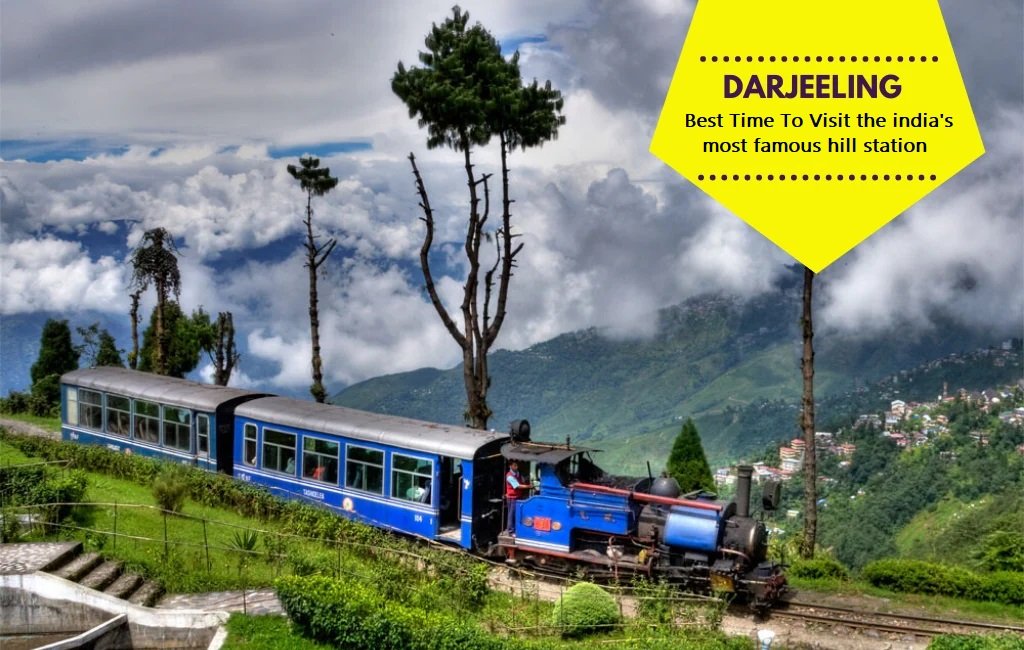

Darjeeling, the “Queen of the Hills,” captivates with its rolling tea estates, colonial charm, and breathtaking Kanchenjunga vistas. Nestled at 2,050 meters in West Bengal, India, its subtropical highland climate brings diverse seasons that shape the perfect visit. For 2026 travelers, understanding monthly weather patterns is key to unlocking unforgettable experiences—whether chasing rhododendron blooms or sipping world-class teas amid misty peaks.
Based on historical data from reliable sources like Climate-Data.org and Climates to Travel, Darjeeling’s year-round average temperature hovers at 16.7°C, with monsoons delivering over 3,500 mm of rain annually. Peaks in tourism align with mild, clear months, but each season offers unique draws. This guide breaks it down month by month, drawing on decades of meteorological records to help you plan a seamless trip. Expect slight variations due to climate change, but patterns remain consistent—pack layers and check forecasts via the India Meteorological Department for real-time updates.
January: Crisp Winters and Snow-Capped Peaks
January ushers in Darjeeling’s chilliest phase, with daytime highs of 9–10°C and nighttime lows dipping to 3–4°C. Frosty mornings enhance the Himalayan glow, ideal for cozy bonfires at heritage hotels like Windamere. Rainfall is minimal (around 20 mm), ensuring clear skies for Tiger Hill sunrises. However, biting cold and occasional fog can limit outdoor treks. Visit if you crave solitude; off-season rates make it budget-friendly. Pro tip: Layer thermals under woolens for the Toy Train ride.
February: Gentle Thaw and Emerging Blooms
As winter softens, February warms slightly to 11–12°C highs and 4–5°C lows, with about 40 mm of rain. Haze lingers, but longer days reveal budding flora. It’s a shoulder month for birdwatching in Singalila National Park, where rare species flock. Crowds are thin, but pack rain gear for drizzles. Families appreciate the mild chill for Peace Pagoda strolls without summer humidity.
March: Spring Awakening and Peak Views
March heralds spring, with temperatures climbing to 14–15°C daytime and 6–7°C nights—Darjeeling’s sweet spot. Low precipitation (30 mm) gifts crystalline air, unveiling Kanchenjunga in full glory. Rhododendrons burst into color, drawing trekkers to Lamahatta trails. High season begins; book early for tea estate tours. Experts at Thomas Cook recommend this for first-timers, citing 80% clearer vistas than monsoon months.
April: Floral Fiesta Amid Mild Breezes
April’s 17–18°C highs and 9–10°C lows create balmy perfection, with just 70 mm rain. Orchids and magnolias carpet the hills, syncing with the Darjeeling Literary Festival. Cable car rides over valleys are a highlight, as noted by Condé Nast Traveller for their “ethereal” appeal. Humidity rises subtly, but it’s prime for adventure—hike to Observatory Hill without sweat.
May: Warm Welcome to Pre-Monsoon
The warmest pre-monsoon month, May hits 19–20°C highs and 11–12°C lows, with 200 mm showers. Lush greenery explodes, perfect for rock garden picnics. Thunderstorms add drama, but mornings stay sunny for Batasia Loop train journeys. Treebo Blogs highlights May’s vibrancy for photographers capturing mist-shrouded estates.
June–August: Monsoon Magic and Lush Retreats
June (20–21°C highs, 15–16°C lows) kicks off rains (600+ mm monthly), transforming Darjeeling into a verdant paradise. July and August mirror this, peaking at 19°C with relentless downpours—landslides possible, per IMD advisories. Off-season perks include discounted spa stays, but visibility drops. Brave souls relish tea plucking amid cascades; StayVista Journal calls it “intimate and raw.”
September: Transition to Crisp Autumn
Post-monsoon September eases to 19°C highs and 13°C lows, with 300 mm rain tapering. Washed-clean skies reward with panoramic views; it’s shoulder-season gold for budget treks.
October–November: Autumn’s Golden Glow
October’s 18°C highs and 10°C lows bring post-rain clarity (100 mm), ideal for Everest View Point. November cools to 16°C/7°C, with harvest festivals. Reddit travelers rave about October’s “postcard perfection.”
December: Festive Chill and Quiet Charm
December’s 12°C highs and 4°C lows echo January, with holiday lights twinkling (30 mm rain). Cozy up for Christmas markets.
In summary, March–May and October–November reign supreme for 2026 visits, blending comfort and scenery. Avoid June–September unless you love rain-soaked serenity. With climate resilience in mind, sustainable choices like eco-lodges amplify your impact.
(Word count: 612)
FAQ: Planning Your Darjeeling Trip
What is the absolute best month to visit Darjeeling in 2026?
March or October, offering mild weather (14–18°C) and unobstructed Himalayan views, minimizing rain risks.
Should I visit Darjeeling during monsoon season?
Only if you seek lush, uncrowded vibes—June–August brings heavy rains (500+ mm/month), but tea estates thrive.
What should I pack for a Darjeeling trip?
Layered clothing: thermals for winters, raincoats for monsoons, and sturdy shoes year-round. Sunscreen is essential at altitude.
Is Darjeeling safe for solo female travelers?
Yes, with standard precautions; peak seasons feel secure due to crowds, per TripAdvisor forums.
